Add Row
Add Element
cropper
update
Living Well in DFW
update
Add Element
  • Home
  • Categories
    • Health and wellness
    • lifestyle
    • community
    • resources
    • tips
    • DFW
    • nutrition and fitness
    • connections
    • Home Base
    • Tech News and Tips
    • Featured
September 04.2025
3 Minutes Read

Hollow Knight: Silksong Causes Online Gaming Stores to Crash

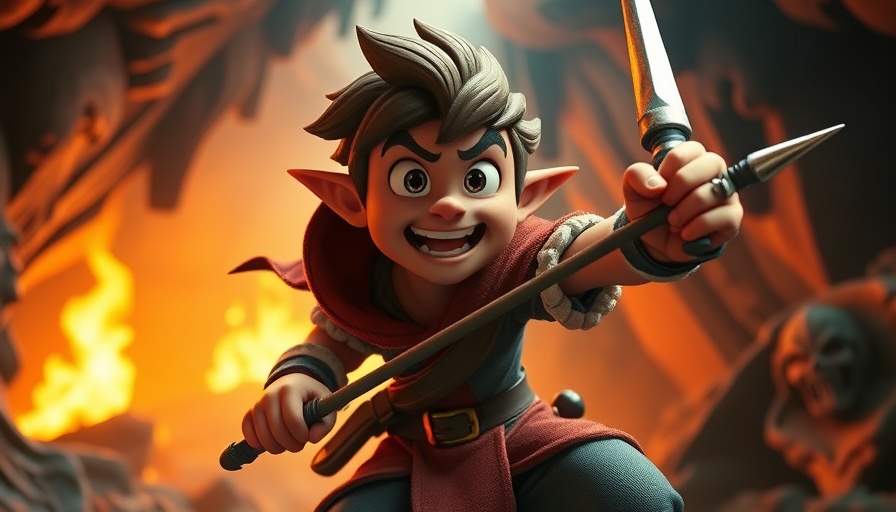
Hollow Knight: Silksong animated character in fiery setting.

The Anticipation Peaks: Hollow Knight: Silksong Launches

After years of anticipation, the global launch of Hollow Knight: Silksong by Team Cherry has sent ripples through the gaming community. Starting today at 10 AM Eastern Time, the sequel to the beloved indie game, Hollow Knight, faced a crush of eager fans, leading to crashes across various online gaming platforms. Players flocked to purchase the game, only to encounter frustrating error messages on sites like Steam, Xbox, PlayStation, and Nintendo eShop.

The Gamer Frustration: Online Stores Struggle to Keep Up

The sheer volume of traffic overwhelmed these platforms, resulting in countless players being unable to add the game to their carts. One frustrated gamer on Steam expressed their dismay with a simple message: "Something went wrong." A similar experience awaited Switch players, with the eShop failing to load, and on PlayStation, many users found the game entirely missing from the store. In an unexpected twist, Xbox Game Pass users were advised to use the console's website for a remote installation to bypass the chaos.

The Digital Crowd: Fans Take to Social Media

As many eagerly awaited their chance to dive into the game, social media transformed into a platform for venting frustrations and sharing experiences. Twitter, Bluesky, and Twitch were flooded with memes, screenshots of errors, and mixed reactions. On Bluesky, users joked about the game's difficulty and their inability to even access it, stating, "STEAM, LET ME PLAY SILKSONG!" In contrast, those who successfully managed to download the game shared celebratory posts, cementing the engagement this game has created within its community.

The Cultural Phenomenon: Hollow Knight's Legacy

The original Hollow Knight has been critically acclaimed, selling over 15 million copies since its release. It changed the landscape of indie games, merging challenging gameplay with charming visuals. This sequel was initially meant to be a downloadable content expansion, but it evolved into a standalone title, showcasing Team Cherry's dedication and the game's immense thematic depth. The game's clever design and captivating story have kept the fanbase buzzing even during the long wait for Silksong.

Playing in the Shadows: Developers Adjust Their Schedules

In the wake of Silksong’s release announcement, several indie game developers felt the impact, leading to delays in their own titles. As noted by Demonschool's developer, the game is comparable to “the GTA of indie games,” prompting others to postpone their launches to avoid competing with such a highly anticipated release. This domino effect highlights the unique ecosystem of indie development where one game’s success can dramatically influence others.

The Future of Gamers and Developers

Despite the initial hiccups, the overwhelmingly positive buzz around Silksong suggests a promising future for Team Cherry and their community. The game not only lives up to its predecessor but also offers a canvas for players to explore, engage and challenge themselves. As the dust settles from the launch day chaos, it will be instructive to observe how the team balances continued fan interactions and responds to post-launch expectations.

In conclusion, the launch of Hollow Knight: Silksong has not just disrupted online gaming stores; it showcased the powerful connection between developers and fans. As this beloved game continues to evolve, it beckons an opportunity for both emotional engagement and community building in gaming culture.

Tech News and Tips

2 Views

0 Comments

Write A Comment

*
*
Related Posts All Posts
02.06.2026

How Titanic Deep Earth Structures Shape Our Planet's Magnetic Field

Update Unveiling Earth's Hidden Giants: Shaping Our Magnetic Field For centuries, the mysteries of Earth's interior have intrigued scientists, but recent revelations about significant structures lying deep within the planet are transforming our understanding of geodynamics and the magnetic forces that govern our world. A groundbreaking study led by researchers at the University of Liverpool has highlighted the profound impact of two ancient, continent-sized structures hidden 2,900 kilometers beneath the surface—known as large low-shear-velocity provinces (LLSVPs). What Are LLSVPs and Why Do They Matter? LLSVPs are massive, ultrahot regions of the Earth’s mantle that have been present for at least 265 million years. These structures, which can be compared in size to the African continent, significantly influence the dynamics of Earth’s outer core. Understanding LLSVPs is crucial because they alter the flow of liquid iron in this core, which is responsible for generating the planet's magnetic field. Magnetic Field Dynamics: Insights from Seismic Studies The significant findings from this research come from combining ancient magnetic records with advanced computer simulations. By comparing different models of the mantle—both homogeneous and heterogeneous—the researchers demonstrated that the magnetic field behaves irregularly due to the presence of these hot zones. The resulting simulations replicated the observed anomalies and distinct patterns in Earth's magnetic field. Shifting Paradigms in Geomagnetism Traditional models have often treated the Earth's magnetic field as a perfect bar magnet. However, the latest study challenges this view, suggesting the field’s behavior is far more complex than previously understood. Professor Andy Biggin, a key researcher in the study, highlighted that these findings have implications for understanding ancient continental configurations, such as the breakup of the supercontinent Pangaea, and may resolve longstanding uncertainties in ancient climate and geography. The Mechanics Behind the Magnetism So, how do these deep-Earth structures manage to influence our planet's magnetic field? The asymmetry in flow caused by the stark temperature differences within LLSVPs leads to variations in the behavior of liquid iron in the outer core. It appears that the colder, surrounding materials can cause this liquid to either stagnate or flow more vigorously, creating significant fluctuations in the generated magnetic field. A Glimpse into the Future of Earth Sciences The implications of these discoveries extend beyond just the understanding of Earth's magnetic field—they also touch on broader questions about the planet's evolution. As geoscientists continue to study these structures, we may unlock secrets of Earth's past climates, biodiversity, and the formation of natural resources. Conclusion: The Case for Continued Exploration The existence of LLSVPs is a testament to the complexities of our planet and underscores the importance of continued exploration and research in geology. The findings from this study encourage a deeper investigation into how our planet's interior dynamics can influence its surface and environment. Understanding these interactions is essential for both scientific knowledge and practical applications in areas like resource management and environmental conservation. For enthusiasts and professionals alike, exploring the developments surrounding LLSVPs and their effects on our magnetic field offers a rich field of study, reflecting the profound nature of our ever-evolving planet. Stay tuned as this fascinating area of research develops further, revealing more about the secrets hidden beneath our feet.

02.05.2026

The Netflix-HBO Merger: Can It Maintain Consumer Affordability?

Update Netflix's Controversial Merger: Implications for Consumers As Netflix prepares to finalize its $83 billion acquisition of Warner Bros. Discovery, concerns about rising subscription prices and market monopolization have come to the forefront. During a recent U.S. Senate hearing, Netflix co-CEO Ted Sarandos assured lawmakers that consumer interests would remain paramount. He emphasized that Netflix’s purchasing power would not stifle competition but rather enhance content availability and quality for the millions of viewers who currently subscribe to both platforms. The Price Cap Dilemma The merger sparks a critical dialogue about streaming costs and consumer choice. Sarandos stated that merging two complementary services would allow Netflix to provide greater value to its 301 million subscribers. Yet, he faced tough questions from lawmakers, including Minnesota Senator Amy Klobuchar, regarding the implications of price hikes. “We’re a one-click cancel,” Sarandos asserted, promoting the idea that consumers dissatisfied with rising costs can easily unsubscribe. This reflects a broader trend in the streaming industry, where brand loyalty is increasingly challenged by consumer frustrations over subscription fees. Market Dynamics and Competition Netflix’s market dominance—boasting over 301 million subscribers compared to Warner Bros.' 128 million—places it in a unique position. Should this merger proceed, the combined entity would control a significant share of the streaming market, prompting fears that other providers might struggle to compete. As discussed by industry analysts, the merger might harm theatrical revenue and lead to decreased job opportunities within the film industry. The Antitrust Perspective Drawing from insights shared in The New York Times and an in-depth review from Publications, the implications of the merger are substantial from an antitrust viewpoint. Critics argue that the consolidation of such powerful entities could set a worrying precedent, creating a streaming monopoly that may lead to increased prices across the board. Thus, policymakers are tasked with carefully weighing the long-term impacts against the immediate benefits of expanded content. Pricing Patterns in Streaming Netflix's history of price increases complicates the narrative. The service raised rates for its standard plan by more than 225% since 2014, raising eyebrows about the firm’s suggestions that the merger would benefit subscribers. Similar statistics from recent data illustrate that Netflix maintains a cost-per-hour streaming average lower than that of its competitors, showcasing how it has effectively capitalized on its viewer base through calculated pricing increases. Conclusion: Consumer Choices Ahead The reality is that the proposed Netflix-Warner Bros. merger will reshape the streaming landscape as we know it today. While Sarandos maintains confidence in the merger enhancing content variety and consumer power, lawmakers and critics highlight the need for vigilance against potential market abuses. As consumers navigate an ever-evolving array of streaming options, the call for accountability in pricing and service quality remains critical.

02.04.2026

Exploring the Intimacy Crisis: Understanding Our Modern Dating Divide

Update The Crisis of Intimacy: A Deep Dive into Modern Loneliness As we navigate through an age where digital connectivity is at our fingertips, more and more individuals report feeling isolated and alone. According to Justin Garcia in his insightful book, The Intimate Animal, this phenomenon is not simply a byproduct of our fast-paced lives; it signals a deeper 'intimacy crisis.' In the United States, with nearly half of adults classified as single and significant numbers of Gen Z having never had a partnered sexual experience, Garcia argues this paradox indicates a systemic issue in how we form and value connections. The Disconnect in Connection Garcia posits that while we are continually connected through social media platforms, the quality of these connections has drastically declined. He explains that loneliness can be as detrimental to health as smoking a pack of cigarettes daily. It's alarming that while social media is designed to foster relationships, it often leads to superficial interactions devoid of emotional depth, contributing to feelings of loneliness and despair. Intimacy Crisis: Understanding the Modern Dilemma So what exactly is this intimacy crisis? Garcia describes it as a depletion of true intimacy in human relationships, with people increasingly longing for deep, meaningful connections yet feeling unprepared to cultivate them. Interestingly, his research suggests that many from Gen Z desire romantic relationships but feel they must first achieve personal self-fulfillment before engaging with others, thus postponing necessary relational experiences. Reframing the Sex Recession: A Shift in Values Amid discussions about a 'sex recession', it's vital to consider the implications of a decline in sexual encounters among younger generations. Garcia argues that this shift reflects a changing perception of intimacy; rather than indicating an aversion to intimacy, it shows that younger generations are prioritizing the quality of their intimate experiences over quantity. In this context, sexual frequency alone cannot determine our understanding of intimacy or well-being. The Role of Digital Platforms: A Double-Edged Sword The rise of dating apps and online platforms presents both opportunities and dilemmas. While these services can broaden the possibilities of meeting new people, they often fail to create the emotional bonds essential for genuine relationships. Garcia mentions that without a foundation of intimacy, users may engage in a pattern where larger numbers of matches lead to increased feelings of loneliness, rather than fulfillment. Building a Foundation of Sexual Literacy Garcia highlights an alarming gap in sexual education, identifying that many adults wish they had better-informed backgrounds regarding intimacy and relationships. With a significant percentage of singles expressing that improved sexual education could lead to happier romantic relationships, it becomes evident that fostering a better understanding of intimacy is crucial. In our fast-paced world, neglecting this foundational aspect could deepen the divide further. Conclusion: Moving Forward in Our Quest for Intimacy In an era rife with disconnection, Garcia’s insights invite us to reflect on how we can cultivate deeper, more meaningful relationships based on intimacy rather than convenience or surface interactions. By prioritizing emotional depth and fostering sexual literacy, society might reclaim intimacy as a fundamental human need. It is essential that as we harness technology, we do not lose sight of what deeply connects us as human beings—the need for true intimacy.

Terms of Service

Privacy Policy

Core Modal Title

Sorry, no results found

You Might Find These Articles Interesting

T
Please Check Your Email
We Will Be Following Up Shortly
*
*
*