Add Row
Add Element
cropper
update
Living Well in DFW
update
Add Element
  • Home
  • Categories
    • Health and wellness
    • lifestyle
    • community
    • resources
    • tips
    • DFW
    • nutrition and fitness
    • connections
    • Home Base
    • Tech News and Tips
    • Featured
March 21.2025
2 Minutes Read

How to Embrace Aging and Love the Girl in the Mirror

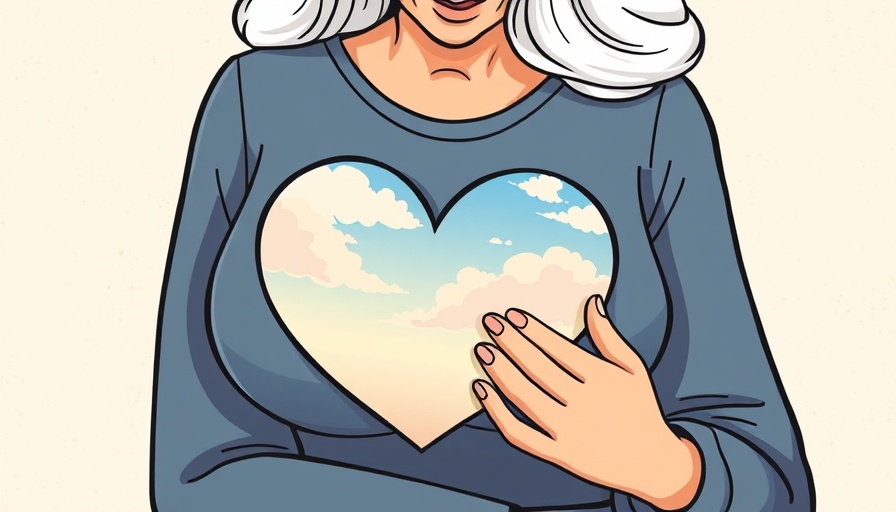
Cartoon woman embracing self, loving the aging girl in the mirror.

Embracing Change: A Personal Journey

As we navigate through life, the process of aging often feels like a daunting journey. Many women, like Melinda, find themselves at a crossroads during their forties. This period can bring physical changes and emotional upheaval, as one begins to see the signs of aging more prominently in the mirror. Rather than being discouraged, it can be a moment of empowerment—a time to reassess and reconnect with oneself.

What Aging Can Teach Us

Aging is often perceived as a negative transformation, but it can be an opportunity for profound self-discovery and growth. Understanding the complexities of hormonal changes, such as perimenopause, can pave the way for improved health and emotional balance. Women can choose to reject the societal narrative that aging equates to decline, instead viewing it as a chance for renewal.

Connecting with Your Body's Signals

One of the most crucial lessons from this journey is recognizing that your body speaks. Those hot flashes? A signal to pay attention to hormonal changes. Mood swings? An indication that more self-care is needed. By tuning into these messages rather than dismissing them, women can foster a deeper relationship with their bodies, enhancing both physical and emotional well-being. The key lies in listening rather than fighting against natural changes.

A New Perspective on Self-Worth

It's common to tie self-worth to physical appearance, especially in a world that often values youth. However, as Melinda learned, real value lies in the person you are beyond your image. Through self-acceptance and breaking away from damaging beliefs about aging, women can cultivate a more fulfilling and proud sense of self. This realization creates not only a healthier mindset but also a richer emotional life.

How Community Support Enhances Healing

In times of change, a strong community can significantly impact well-being. Sharing stories and experiences with others can alleviate feelings of isolation. Finding support in friends, family, or local health groups creates a collaborative space for women to lean on one another during challenging transitions. It’s not just about personal growth; it’s about cultivating a community where women uplift each other.

Your Journey Awaits

Ultimately, embracing the aging process can lead not only to improved health but also to enhanced happiness and self-love. If you are on a similar journey, remember that each challenge is an opportunity for growth. Connect with others, listen to your body, and cherish every phase of life as part of a beautiful ongoing journey.

Health and wellness

0 Views

0 Comments

Write A Comment

*
*
Related Posts All Posts
12.13.2025

Embrace the Joy of Being Single: The Reality Beyond Fear

Update The Truth About Being Single: Embracing Joy Over Fear Many of us find ourselves staring at our single reflection, grappling with a fear that seems to hang in the air: what if I'm destined to be alone forever? It's a concern that is being increasingly acknowledged in our society, yet few people are openly discussing the nuances and realities of singlehood. Instead of demonizing the experience or pushing it to the fringes, it’s time we address it with the honesty it deserves. Being single doesn't equate to a life of loneliness; in fact, it can be a profound journey towards self-discovery and personal fulfillment. The Cultural Stigmas Surrounding Singleness Cultural narratives often plant seeds of doubt in our minds regarding singlehood, painting it as a detour rather than a legitimate path. For ages, society has tied an individual’s worth to their relationship status. This dependency can leave a mark long after the need has faded. The historical context is crucial here; women, in particular, were historically reliant on relationships for social and financial security. Today, despite the shifts in gender dynamics, old whispers of inadequacy still echo in the minds of many. The Emotional Landscape of Being Single: Understanding Grief There’s a unique kind of grief that accompanies being single—a longing not for lost love, but for the unfulfilled promise of companionship. Many individuals grieve the absence of intimacy that society convinces us we need. This isn’t about dating apps or finding someone to fill a void. It’s about the deeper desire to be known and accepted. It can be liberating to acknowledge this grief, as it turns the lens inward, allowing us to examine our own self-worth apart from societal expectations. Finding Fulfillment Beyond Relationships The conversation we need to have about being single is the one focused on empowerment. What if we revealed that our greatest relationship is the one we cultivate with ourselves? Embracing singlehood allows us to explore interests, passions, and life goals unencumbered by the expectations often placed upon us within relationships. Rather than searching for fulfillment externally, we can redirect our focus to self-care, friendships, and personal development—elements that bring genuine joy. Inspiring Others Through Our Stories Creating a community where singlehood is celebrated can influence those around us positively. Sharing our stories fosters connection and might encourage friends or acquaintances to view their single status with a fresh perspective. Remember, the narratives we tell ourselves shape our reality. Instead of seeing being single as a phase to endure or a failure in love, we can celebrate it as a period for personal growth and exploration. Just as there’s beauty in love, there’s also a unique beauty in solitude. Embracing the Joy of Being Single If anything, our exploration of the realities of singlehood should encourage a heartwarming perspective shift. Embracing this time offers us clarity and space for self-reflection. Instead of succumbing to fears surrounding our relationship status, let’s focus on crafting a life filled with joy, irrespective of external validation. Being single can be a powerful assertion of independence, a celebration of one's unique journey. As we continue to embrace the narratives around singlehood, let's create a culture that values self-love, individual growth, and community connection. Are you ready to acknowledge the gift of being single and redefine it as a time for joy and exploration?

12.12.2025

The Hidden Connection Between Menopause and Childhood Trauma: Understanding Your Journey

Update Menopause: A Journey Toward Healing For many women, menopause is just a biological phase, a natural end to reproductive years. Yet, for others, it can serve as a profound awakening—a time when unresolved emotional traumas resurface, demanding attention and healing. As shared by Sally Garozzo in her personal account, menopause heralded a decade-long journey of self-discovery, self-compassion, and ultimately a connection between past experiences and present challenges. The Untold Reality of Menopause Symptoms Menopause, particularly perimenopause, often brings a plethora of symptoms ranging from hot flashes to anxiety. However, research increasingly suggests a correlation between these symptoms and adverse childhood experiences (ACEs). A 2021 study published in Maturitas revealed that women with higher ACE scores are significantly more likely to endure severe menopausal symptoms. This understanding shifts the narrative around menopause from merely a physical transition to a complex emotional and psychological process. Understanding Adverse Childhood Experiences ACEs include various traumatic events such as physical abuse, emotional neglect, or parental separation. Their long-lasting effects can manifest in numerous health issues throughout adulthood, including more intense menopause symptoms. A Mayo Clinic study supports this connection, noting that women with a history of childhood trauma are more susceptible to psychological and physiological menopausal challenges. This highlights the need for healthcare providers to be aware of a patient's history to provide better, more tailored care. The Intersection of Trauma and Menopause For many, the journey through menopause can feel eerily similar to revisiting the trauma of their youth. Dr. Helen Douglas and Aneesh de Vos emphasize how the unpredictability of menopausal symptoms can revive feelings of instability and loss of control, especially for those with histories of childhood sexual abuse. Symptoms often mistaken for menopause can actually be the resurgence of trauma responses, reinforcing the importance of a supportive healthcare framework that acknowledges both the physical and emotional elements of menopause. Breaking the Silence: Community Healing Sharing these narratives can be a powerful tool in healing. Open conversations about menopause and childhood trauma can help destigmatize both subjects. Women encouraging one another to share their stories might foster a sense of community and understanding, creating a supportive environment that addresses these significant life changes holistically. Valuable Insights for Navigating Menopause Awareness and acceptance are crucial for navigating through menopause, especially for those affected by trauma. Women should consider seeking therapeutic modalities that can help them manage their emotional and physical symptoms. Techniques such as hypnotherapy and trauma-informed care can offer substantial support. For instance, Garozzo's experience with Rapid Transformational Therapy (RTT) marked a turning point, allowing her to explore and heal underlying issues. Empowering Healthcare Providers to Understand As the number of women experiencing menopause continues to grow—expected to exceed one billion by 2025—healthcare providers must expand their comprehension of menopause to encompass the histories of their patients. Screening for ACEs and providing trauma-informed care could lead to more meaningful interventions and better quality of life for women navigating this stage. Ultimately, menopause can become a profound phase of renewal rather than solely a time of challenges. By embracing our histories and recognizing their impacts, we can move toward a future where menopause is not merely endured, but celebrated as a transformative life experience. By having open dialogues about these connections, we can illuminate pathways to healing that honor both the physical and emotional aspects of menopause. Empowerment starts with knowledge—both from our histories and in understanding the physiological changes we undergo. Embracing the conversation around menopause and trauma leads not only to individual growth but can also foster community bonds. As we support one another in sharing our stories, we build resilience collectively.

12.11.2025

How to Reclaim Your Voice After a Trauma-Fueled Childhood

Update Rediscovering Yourself: The Cost of Disappearing When childhood trauma shapes our perception of self, it often leads to a lifelong struggle with self-worth, as seen in the heartfelt reflection of those who’ve learned to survive by fading into the background. These individuals, like Tracy Lynn, recognize that their past experiences of emotional neglect—not just from a parent but through the atmosphere created in their homes—made them believe their voices didn’t matter. Acknowledging these feelings is the first step in addressing the wounds that shape adult relationships. Why Our Childhood Shapes Our Adult Lives Early experiences are incredibly formative. Research has shown that children who grow up in environments lacking love and support struggle to establish their self-worth. As noted by Sharon Martin in Psychology Today, when caregivers are inattentive or abusive, children internalize those negative messages. They come to believe that their needs are unimportant and that they must be small and quiet to avoid conflict. This bring-and-hold concept can make adult relationships problematic, often mirroring the chaos experienced in childhood. Self-Expression as a Path to Healing Writing became a transformative tool for Tracy Lynn, allowing her to reclaim her voice and narrate her story. This sentiment echoes the therapeutic discussions around alexithymia—a term reflecting difficulties in expressing emotions—which affects many people who have experienced trauma. As noted in the article about self-expression, those struggling with emotional articulation often find solace and healing through creative outlets. Journaling, artistic endeavors, or simply speaking out loud can fortify one's connection to feelings and foster emotional growth. The Importance of Setting Boundaries In rebuilding self-worth and relationships, establishing boundaries is crucial. Setting limits teaches others how to treat us and affirms our right to exist fully in spaces without fear or shame. It is not uncommon for those shaped by childhood trauma to feel uncomfortable asserting their needs, but as recommended by mental health experts, it’s essential to practice self-advocacy. Over time, this builds a foundation for more authentic connections and can challenge the beliefs that underpin self-devaluation. Embracing the Journey of Healing Healing from the patterns of childhood trauma isn’t an instantaneous process but a gradual journey filled with discoveries. While one might experience setbacks reminiscent of past fears, acknowledging that survival instincts can shift into thriving habits is empowering. Embracing the path laid out by figures like Lynn is vital in showing that everyone can reclaim their voice and presence. As we continue to grow, understanding our histories enables us to reshape our narratives. Recovery from childhood trauma involves cultivating patience, practicing kindness toward ourselves, and seeking connections with others who support our healing process. Journaling, engaging with art, and establishing a support system can illuminate the journey ahead.

Terms of Service

Privacy Policy

Core Modal Title

Sorry, no results found

You Might Find These Articles Interesting

T
Please Check Your Email
We Will Be Following Up Shortly
*
*
*