Add Row
Add Element
cropper
update
Living Well in DFW
update
Add Element
  • Home
  • Categories
    • Health and wellness
    • lifestyle
    • community
    • resources
    • tips
    • DFW
    • nutrition and fitness
    • connections
    • Home Base
    • Tech News and Tips
    • Featured
April 11.2025
3 Minutes Read

Texas DEI Ban: Local NAACP Event Moves Venue Under New Law

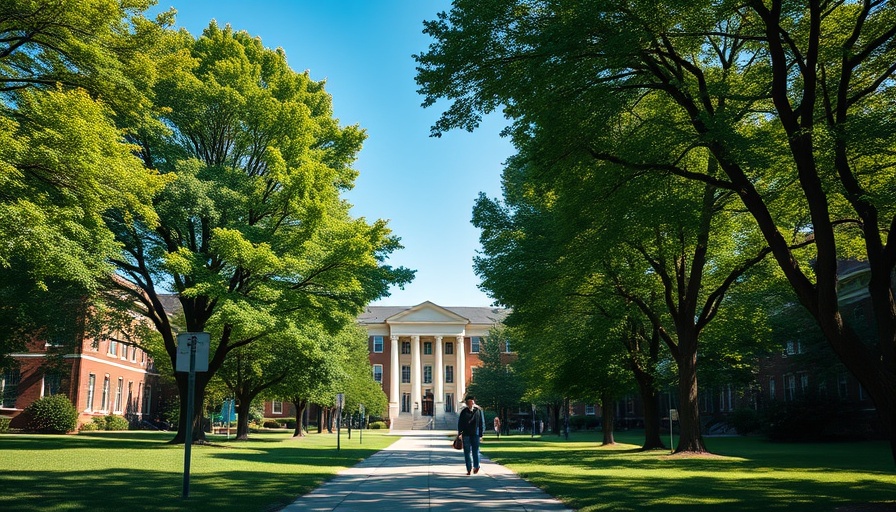
Texas DEI ban impact on NAACP event: Student on campus

Texas DEI Ban Forces NAACP to Change Venue

In a surprising turn of events, the ACT-SO talent competition for Black high school students, a cherished tradition held for over 15 years at Tarrant County College (TCC), was abruptly relocated due to a recent state law aimed at banning diversity, equity, and inclusion efforts at colleges.

This year’s competition, organized by the local NAACP chapter, was set to take place on April 5, but on April 3, organizers received an invoice for $5,800—a cost that far exceeded what they had historically paid. Frustrated by the short notice and the financial burden, NAACP officials, who had been preparing for this event since October, found themselves in a challenging position.

Understanding the Impact of Senate Bill 17

The catalyst behind this disruption is Senate Bill 17 (SB-17), legislation that prohibits Texas public colleges from having DEI offices or co-sponsoring events that consider race, ethnicity, or gender. This law has profound implications on how colleges can engage with diverse community events, fundamentally altering the landscape of support for minority groups within educational spaces.

TCC, which had long co-sponsored the ACT-SO event, now found itself in a position where any continuity of support would have led to legal repercussions. “We can no longer support events designed or implemented in reference to race, color, or ethnicity,” TCC general counsel Antonio Allen stated, stressing the tension between legal compliance and community engagement.

The Community's Response to Legislative Changes

The abrupt venue change to Carter Metropolitan CME Church, though a solution, highlights a growing concern within the Fort Worth community. Many question how such legislation impacts not only cultural and educational celebrations but also the future of advocacy and support for marginalized groups.

Estella Williams, president of the Fort Worth/Tarrant County NAACP, expressed her disappointment, emphasizing the detrimental effects of the increased costs and last-minute changes. Her sentiments resonate deeply with many community members advocating for more robust support systems for diversity initiatives.

A Lesson in Community Resilience

Despite these challenges, the spirit of the ACT-SO competition prevailed. More than 50 students persevered and showcased their talents in various categories, from STEM projects to performing arts. The resilience of the participants reminds us that community spirit can shine brightly, even amid adversity.

While the legal landscape continues to evolve, there remains an urgent need for dialogue regarding support for diversity within Texas educational institutions. Local events like ACT-SO play an essential role in fostering talent, encouraging youth engagement, and nurturing future leaders.

What’s Next for DEI in Texas?

The implications of SB-17 not only affect events in colleges but open discussions about the broader trajectory of inclusivity in education and community spaces across Texas. As communities grapple with these legislative changes, it is imperative for individuals and organizations to advocate for continued support of diverse initiatives that enrich the collective experience.

Understanding how this law will reshape local educational support will take time and involvement from concerned citizens. Community forums and discussions will be vital in voicing these challenges and implementing potential solutions.

The story of the ACT-SO competition serves as both a cautionary tale of policy impacts and a beacon of hope through community resilience. It reflects the strength of the Fort Worth community in the face of difficult circumstances.

To stay informed about local events, advocacy efforts, and community resilience narratives, connect with your neighbors and participate in discussions. Being active in your local initiatives can make a significant impact.

community

2 Views

0 Comments

Write A Comment

*
*
Related Posts All Posts
01.17.2026

Texas Cannon Repurposed as Birdbath Returns to Alamo Amid Preservation Efforts

Update Texas History Reclaimed: The Return of a Battle Cannon to the Alamo Texas is abuzz with excitement as an authentic piece of the Battle of the Alamo's storied past makes its way back home—a 90-pound cannon that has unwittingly served as a birdbath for years. Originally salvaged from the Alamo site in 1852, this cannon epitomizes historical resilience, having journeyed from a Maverick family garden back to the revered mission. But how did this relic's fate unfold? A Cannon with a Colorful History It all began when Samuel Maverick, a lawyer and land baron, discovered this cannon buried near his home, located close to the historic battle grounds. The legend goes that Maverick, convinced by William Barret Travis, went to send messages of reinforcements to the Texas Declaration of Independence convention in 1836. Upon returning, he found the buried artillery, setting the stage for a remarkable journey through Texan history. After a lengthy period spent as an ornament in the family's garden, this piece of history has now been cleared for restoration. The cannon, however, is missing critical parts—its trunnions and cascabel—which the Mexican army had removed to render it inoperable during its long tenure. The Significance of Preservation Projects The return and restoration of the cannon represent more than just a reclaiming of an artifact; they are part of a larger preservation initiative connected to the Alamo's ongoing $550 million project. This encompasses the careful conservation of not just the cannon but also other historical aspects, such as the original site structure. This is crucial, as poorer preservation practices in the past had led to issues like corrosion in other cannons, highlighting the need for improved conservation techniques, such as those utilized by experts from Texas A&M University. The Future of the Alamo Visitor Center Once the cannon is restored, it will take its place alongside other artifacts at the upcoming Visitor Center and Museum at the Alamo, expected to open in late 2027. This center promises to be a rich resource for locals and tourists alike, housing artifacts from musicians like Phil Collins and educating visitors about the complex narrative of Texas' fight for independence. Connecting Past to Present As the Alamo gears up for this history-laden transformation, community connection remains vital. Historical relics like the cannon bring vibrant stories of bravery, sacrifice, and the long fight for Texan independence into the modern narrative. They help residents and visitors alike to appreciate the significance of the Alamo beyond its iconic structure. Understanding this history ignites civic pride, essential for fostering a deeper connection between history and contemporary community life. The cannon's return is not merely a restoration; it is a revival of a shared heritage calling for recognition and appreciation. Preserving such artifacts helps safeguard the stories that serve as the foundation for our identity as Texans. It encourages future generations to carry on the legacy that these artifacts symbolize, ensuring that the Alamo's tale of heroism resonates beyond its walls.

01.17.2026

Near Southside Welcomes New Leadership: What This Means for Fort Worth

Update A New Chapter for Near Southside: Leadership Transition Ahead In a significant development for Fort Worth's Near Southside, Mike Brennan, the president of Near Southside Inc., is set to transition into a new role at Trinity Metro, leaving behind a legacy of growth and revitalization. As he steps down, the organization will welcome Megan Henderson as its new president this April. With nearly two decades of dedicated service, Brennan has played a pivotal role in shaping the Near Southside community. His tenure has seen the transformation of areas like West Magnolia Avenue and South Main Village, making substantial contributions to the vibrancy of the district. During his presidency, he has cultivated relationships and fostered initiatives that have propelled economic growth. Meet Megan Henderson: The New Face of Near Southside Henderson, who has been with Near Southside Inc. since 2013, is primed to step into her new role confidently. As the organization’s cultural director, she has been deeply involved with community programs and business support, positioning her perfectly to lead the team forward. "I am grateful for the board’s confidence and look forward to guiding the district’s next chapter of progress," she stated, acknowledging the strong foundation that Brennan has helped establish. What's Next for Brennan and Trinity Metro? Brennan's new role as vice president of economic development at Trinity Metro marks an exciting shift in focus. His responsibility will include enhancing developments around transit stations and maximizing the value of Trinity Metro’s property assets. The shift reflects a growing emphasis on transit-oriented developments as North Texas continues to experience a population boom, with over 4 million new residents expected in the next 25 years. Rich Andreski, president and CEO of Trinity Metro, expressed enthusiasm about Brennan's arrival, noting the strategic advantage his experience will bring to enhancing economic development initiatives. Brennan's vision aligns with the need for collaborative efforts between public and private sectors to create thriving spaces around transit stations, which will cater to the rising demand for accessibility and urban living. The Road Ahead: Opportunities and Challenges As Henderson assumes leadership, Near Southside plans to expand its team, adding a director of development to oversee the Southside Tax Increment Reinvestment Zone. This move aims to strengthen the organization’s capabilities in managing redevelopment projects that will benefit both residents and businesses. The collaborative spirit that has defined Near Southside’s journey will continue to be vital as both organizations strive to adapt to the changing landscape of Fort Worth. The groundwork laid by Brennan and Henderson promises to set a trajectory for sustained growth in the community. In conclusion, this leadership transition at Near Southside serves as a reminder of the importance of continuity and the shared commitment to fostering a vibrant, inclusive community in Fort Worth. As both organizations embark on this new chapter, the synergy between transit development and community growth will undoubtedly shape the future of the Near Southside. For those invested in the continuous development of our neighborhoods, keeping an eye on these transitions is essential. The vitality of Fort Worth depends not just on leadership moves but also on how these leaders engage with the community to create lasting impacts.

01.16.2026

DART's Upcoming Changes: Bus Route Cutbacks and Light Rail Frequency Adjustments

Update Service Adjustments at DART: What You Need to Know The Dallas Area Rapid Transit (DART) is set to make significant changes to its bus routes and light-rail frequency starting February 2, 2026. The adjustments are in response to community feedback aiming to improve the overall efficiency of public transport in the North Texas area. DART's changes will enhance services where ridership is higher while minimizing disruptions for commuters. Changing Frequencies: Light Rail and Buses One of the most notable changes includes a reduction in the frequency of weekday light rail services. DART’s Red, Blue, Green, and Orange lines will now run every 20 minutes during peak periods, compared to the previous 15 minutes. Fortunately, off-peak and weekend frequencies will remain the same, ensuring that weekend travelers won’t experience any reductions. Discontinued Routes: Making Room for Better Service Seven low-performing bus routes will be discontinued, including the 209 McKinney/Cole and 225 Nursery routes. The decision stemmed from performance evaluations and a series of public hearings that highlighted where public transit services are most essential. This means some riders will need to look for alternative routes such as rail or nearby GoLink services for their commuting needs. Engaging with the Community: A Stronger Service Model DART has emphasized its commitment to keeping strong connections to critical bus corridors and rail lines while responding to the voices of its community. Jeamy Molina, DART’s EVP and Chief Communications Officer, remarked that the adjustments are designed to use resources where they are most effective, ultimately helping to move North Texas forward. These updates not only enhance service in densely populated areas but also reflect a trend toward optimizing public transport amidst changing user demands. Looking Ahead: Future Plans for DART In addition to the upcoming service changes, DART's Board of Directors is considering fare changes and expanding GoLink service later this year. This progressive approach indicates a solid future for public transit in Dallas, focusing on adapting to rider needs while ensuring financial sustainability for the transit system. For more details about the service changes, riders can visit DART's official website and access real-time updates and trip-planning tools. Staying informed about one’s public transport options is crucial in the ever-evolving commuting landscape of Dallas.

Terms of Service

Privacy Policy

Core Modal Title

Sorry, no results found

You Might Find These Articles Interesting

T
Please Check Your Email
We Will Be Following Up Shortly
*
*
*