Add Row
Add Element
cropper
update
Living Well in DFW
update
Add Element
  • Home
  • Categories
    • Health and wellness
    • lifestyle
    • community
    • resources
    • tips
    • DFW
    • nutrition and fitness
    • connections
    • Home Base
    • Tech News and Tips
    • Featured
March 22.2025
2 Minutes Read

Transform Your Landscape with Low-Maintenance Wildflowers

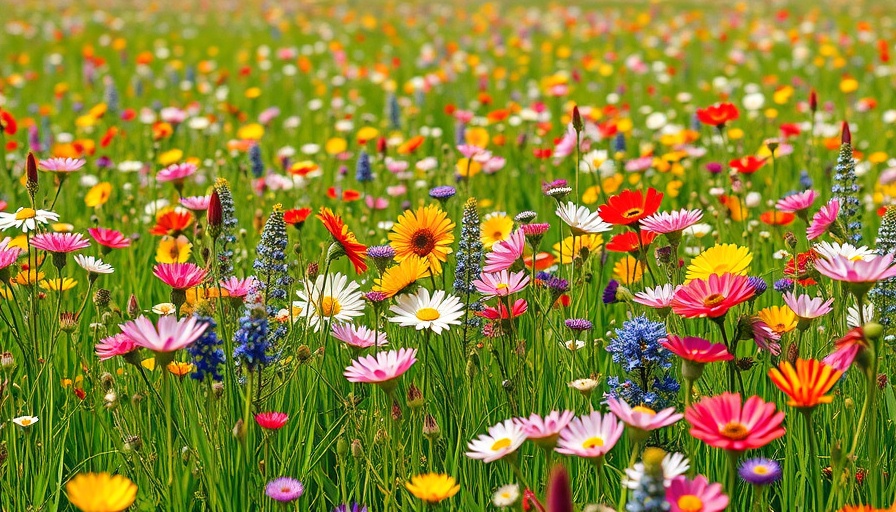
Colorful wildflowers in a lush green field for landscaping with wildflowers.

Revitalize Your Yard with Vibrant Wildflowers

As more homeowners seek an accessible and low-maintenance alternative to traditional landscaping, wildflowers emerge as an underappreciated hero. Why not consider wildflowers for your outdoor spaces? They not only bring beauty to your landscape but also provide a host of benefits that appeal to both novice gardeners and seasoned horticulturists alike.

The Unexpected Perks of Planting Wildflowers

First and foremost, wildflowers require minimal upkeep. Once set in their new homes, these resilient plants do not need regular watering or fertilizers, making them a practical choice for busy homeowners. As they mature, they merely demand a cut-back at the end of their bloom season or early spring. This drastically reduces time spent on outdoor chores.

Wildflowers burst with color and charm, offering a constantly changing visual feast. This dynamic backdrop adds eclectic beauty to your home, making seasonal transitions more pronounced. The variety in color and bloom periods ensure that your landscape remains lively and engaging.

Perfect for the Wallet and the Ecosystem

From a financial perspective, planting wildflowers is an economically wise decision. The initial seed cost is significantly less than purchasing individual plants, and given their self-seeding nature, these flowers can establish themselves year after year for minimal upkeep costs.

Moreover, wildflowers act as a sanctuary for wildlife. Pollinators, such as bees and butterflies, thrive among wildflower patches, boosting local biodiversity. This adds not just beauty but ecological value to your yard, turning your garden into a small ecosystem that promotes sustainability.

Ideal Locations for Wildflowers

Wildflowers can thrive in various spaces. Ideal planting spots include wide-open areas and the edges of wooded lots where they can gradually transition from yard to forest. However, it is advisable to avoid planting them too close to your home, as they might attract small critters. Instead, think of locations where you can appreciate their beauty without compromising comfort.

Getting Started with Wildflowers

The process of planting wildflowers is akin to seeding a lawn. Begin by clearing debris and preparing the soil with quality loam. Using a broadcast spreader, sow the seeds according to package instructions and keep the area moist until germination takes place, typically best in late summer or early fall. Make sure to conduct regular checks during this period to facilitate proper growth.

Conclusion: Embrace the Beauty of Wildflowers

Incorporating wildflowers into your landscaping not only minimizes maintenance but also enhances your property’s ecological value and aesthetic appeal. Embrace this charming solution that benefits both your wallet and local wildlife. Start your journey towards a beautiful, vibrant yard today!

Home Base

2 Views

0 Comments

Write A Comment

*
*
Related Posts All Posts
02.05.2026

Arlyn's Dining Room Curtain Transformation: A DIY Success Story

Update Transforming Spaces: Arlyn's DIY JourneyArlyn's recent curtain project for her dining room highlights not just a quest for aesthetics but also the openness to experiment. Despite her initial misgivings, Arlyn embarked on a creative journey, tackling her curtain dilemma with resourcefulness and vibrancy. The previous cafe curtains were a 'no-go' due to their short length and inappropriate fabric, prompting her to dream of a more harmonious look that echoed the decor of her home.The Power of Color and Fabric in Home DecorColor plays a significant role in how we perceive a space, and Arlyn aimed to bridge the warm tones of her wooden furniture with a soft, rosy clay color. This choice not only enhanced her dining room's ambiance but also aligned with her desire for a fresh, inviting atmosphere. The use of a mock-up to visualize potential outcomes is a strategy employed by many DIY enthusiasts; it allows for a clear vision before diving into the actual work. Arlyn shared her inspiration from West Elm curtains, ultimately realizing that similar results could be achieved through DIY methods.Cost-Effective DIY SolutionsThe novelty of DIY curtains lies in their ability to offer a budget-friendly alternative to pricey store-bought options. As highlighted in similar projects from Cool Crafts and The Homes I Have Made, investing time and creativity in home improvements can not only reflect personal style but also save money. Arlyn’s plan was simple: dye leftover white cotton curtains instead of buying new ones, which allowed her to achieve her desired look for a fraction of the cost. By utilizing $30 worth of dye, she understood she was giving new life to items that were already on hand while saving approximately $300 compared to purchasing ready-made panels.Creative Techniques in Curtain DyingArlyn’s introduction to dyeing curtains may be intimidating for some, but it opens doors not only to a tailored color palette but also to the notion that anything can be DIY-ed with the right approach. She explored various color options from Rit dye, weighing the pros and cons of each choice with careful consideration. Not only can this kind of project rejuvenate one’s home decor, but it can also empower the creator, showcasing that any craft can have a unique, personalized touch.Overcoming Fear in DIY ProjectsIt's important to note that many DIYers, like Arlyn, might face initial trepidation before embarking on a project. Her candid admission of being 'kind of terrified' underscores a common sentiment. This apprehension can be overcome through practice and the understanding that the outcome is, in many cases, more about the journey than the final product. Her story serves as a reminder that even the most seasoned DIY enthusiasts often experience a bit of self-doubt before diving into something new.Conclusion: The Heart of DIY ProjectsArlyn’s journey into curtain revitalization is more than a home improvement story; it resonates with opportunities for self-expression and resourcefulness. By sharing her process, she invites others into a space of warmth and creativity—encouraging a community approach to DIY home projects. Whether you’re a beginner or a seasoned crafter, remember that initiatives like these can pave the way for a more expressive living environment.

02.04.2026

Have We Been Designing Kids' Rooms All Wrong? Insights from Real Life

Update Reimagining Kids' Rooms: Are We Doing It Wrong?As parents, we often strive to create spaces that nurture our children's growth, imagination, and comfort. Recently, I found myself reflecting on our approach to designing kids' rooms—especially with the experience of my tweens, Charlie and Elliot. Their evolving tastes and preferences in their living spaces have led me to reconsider what truly makes a room feel like home. In these chats, I've learned an important lesson: kids' rooms should be as dynamic and adaptable as they are.The Example of Charlie: Embracing ChangeIn Charlie's case, we initially furnished his room in a cozy yet practical manner, filled with IKEA bed frames and an abundance of stuffed animals. However, as he grew, so did his desire for a more tailored environment. At age 11, Charlie insisted on rearranging his room for a more personalized feel—placing his bed in the corner for that comforting, secure ambiance. This shift transformed his sleep patterns, making him feel safer and more at ease (and coincidentally, his sleep troubles diminished!). Here, we see how simply rearranging furniture can yield profound emotional benefits for children.Prioritizing Comfort in Kids' SpacesComfort and safety are paramount in a children's room. Ideas from design experts like those at Versa Homes suggest using multifunctional furniture that adapts as children grow. This could mean beds with storage drawers or cozy reading nooks—spaces they can retreat to when they need a break. Design should not just be aesthetic; it also must serve their diverse needs, including creating that essential sense of safety and belonging.Fostering Creativity Through PersonalizationKids thrive in environments that reflect their identities. Just like Charlie's insistence on a specific room layout, allowing children to participate in the adornment of their spaces can bolster their creativity and self-expression. Whether it’s choosing vibrant bedding or establishing an art display area, giving kids a voice in their room's design fosters a sense of ownership and pride.Breaking Away From Traditional LayoutsTraditional thinking dictates that kids' rooms follow a formulaic pattern, much like adult spaces but simplified. However, my experience with Charlie revealed the importance of breaking this mold. By nurturing a space that caters to their dynamic lifestyles—one that invites play, exploration, and relaxation—we create rooms that truly serve the children using them. It’s a reminder that their spaces should evolve with them, rather than rigidly adhere to adult aesthetics.Final Thoughts: Local Insights Into Room DesignUltimately, every child is unique, and their rooms should be reflections of that individuality. As you contemplate how to design or redesign a children’s room, consider incorporating elements that are active and playful. A combination of vibrant colors, functional furniture, and personal touches can turn a mere room into a cherished sanctuary.So let’s step back and re-evaluate the way we design kids’ spaces. It’s not just about decorating but about creating vibrant environments that nurture their identities and promote their development—rooms that are evolving as they are. As we lean into these changes, we can enhance the joy and comfort of our little ones’ daily lives.

02.03.2026

Unlock Your Home's Beauty with Our Favorite White and Neutral Paint Colors

Update Discover the Best White and Neutral Paint Colors for Your Home Choosing the right paint color for your home can often feel overwhelming, especially when it comes to whites and neutral tones. Whether you're planning a complete room renovation or just a touch-up, selecting the perfect hue can dramatically affect the atmosphere of your space. With numerous options available, it's essential to consider factors such as light exposure, room size, and even the undertones of each paint color you consider. Thankfully, recent innovations such as Samplize paint samples make the decision process much easier and more accurate! Embrace the Samplize Revolution For those unfamiliar, Samplize offers large sticker samples crafted from actual paints across different brands, including Sherwin-Williams and Benjamin Moore. These samples enable you to visualize how different colors look across various parts of your room without the mess or commitment of traditional paint testing. Simply stick them to your wall, and reposition them as needed to see how they interact with the room’s lighting throughout the day. The Importance of Understanding Undertones One of the crucial aspects of choosing neutral paints is understanding undertones. A paint might look pristine in a small sample, but once applied to an entire wall, the nuances of blue, yellow, or gray undertones can shift dramatically. For instance, Sherwin-Williams' Extra White is great in bright environments but may appear flat in low light. Conversely, colors such as Benjamin Moore’s White Dove and Farrow & Ball’s Strong White project warmth and creativity, making them more versatile across varied lighting conditions. Complementing Natural Light: Bright vs. Low Natural light plays a pivotal role in how paint colors appear in your home. In brightly lit spaces, you can afford to be more adventurous with cooler tones. However, in dimly lit rooms, it’s often wiser to choose paints with warmer undertones to avoid creating a dreary atmosphere. Phillips Beige or greiges (gray-beiges), such as those mentioned in The Scout Guide, can provide a warm yet sophisticated backdrop. Timeless Neutral Paint Picks After experimenting with different paint colors, here are some top picks worth considering: Whisper by Dunn Edwards: A bright, warm white that works wonders on cabinetry. Simply White by Benjamin Moore: A crisp, versatile choice that enhances the brightness of any room. Strong White by Farrow & Ball: An elegant gray-white that imparts a contemporary aesthetic. Extra White by Sherwin-Williams: Ideal for spaces filled with natural light, adding a cool touch. Practical Tips for Choosing Your Paint When embarking on your painting journey, consider these practical insights: Always sample different shades in various lighting conditions before making your final decision. Test swatches on multiple walls to see how the color reads at different times of the day. Remember to account for surrounding decor that may influence how the paint color feels in the room. Final Thoughts: The Impact of Color in Your Home Picking the right color for your space isn't just about aesthetics; it’s about creating an environment that feels good to live in. With options like Samplize providing a game-changing method to explore color, and a myriad of warm whites and subtle neutrals to choose from, the process has never been more accessible. With careful thought and a little experimentation, your home's color can reflect your unique personality and create a welcoming atmosphere for family and friends.

Terms of Service

Privacy Policy

Core Modal Title

Sorry, no results found

You Might Find These Articles Interesting

T
Please Check Your Email
We Will Be Following Up Shortly
*
*
*